

Agroforestry as a Tool for Smallholder Soil Renewal

Annastazia Soko
Agroforestry Specialist
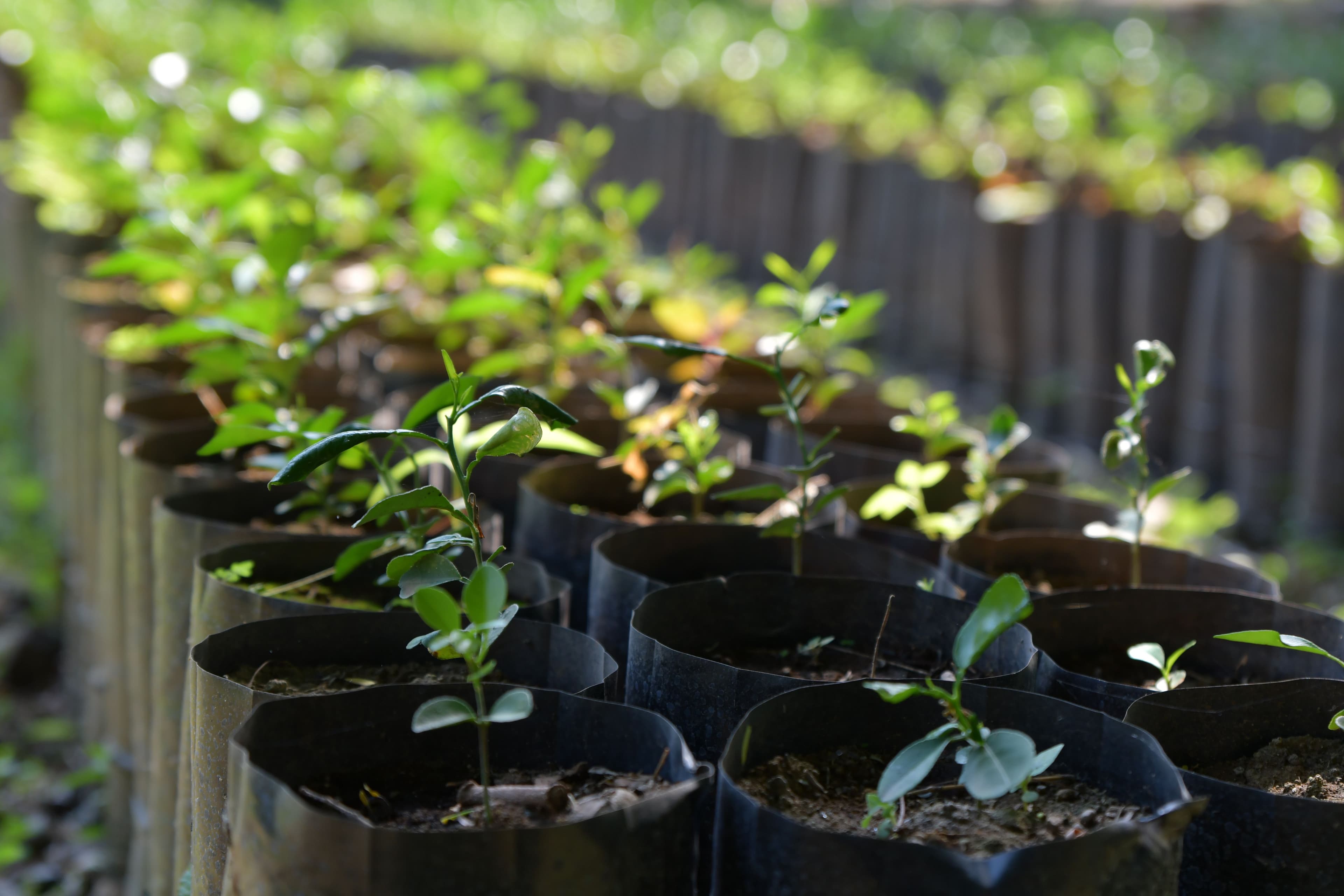
Decades of intensive mono-cropping and soil degradation have reduced agricultural yields across smallholder farms. Integrating high-yield fruit trees with indigenous nitrogen-fixing species offers a path toward ecological and economic recovery.
Intercropping High-Yield & Indigenous Species
Our field strategy combines deep-rooting indigenous trees with grafted fruit varieties like avocado and mango. Deep roots draw subsoil nutrients to the surface, restoring depleted topsoil layers.
This multi-tier canopy system prevents topsoil erosion during heavy rainy seasons while creating microclimates that retain soil moisture.
“Restoring soil vitality with multi-purpose trees provides both immediate food security and long-term ecosystem stability.”
Diversifying Farmer Income Streams
Agroforestry eliminates reliance on single annual harvests. As fruit orchards mature, smallholders gain secondary revenue streams that buffer against seasonal crop failures and market fluctuations.
Conclusion
Sustainable soil management requires working with natural forest logic, building resilient farming systems that nourish both land and communities.
Share or discuss this article
Reach out to learn more about field research and collaboration options.