
Scaling Clean Cooking Solutions Across Rural Regions

Racheal Banda
Energy Research Lead
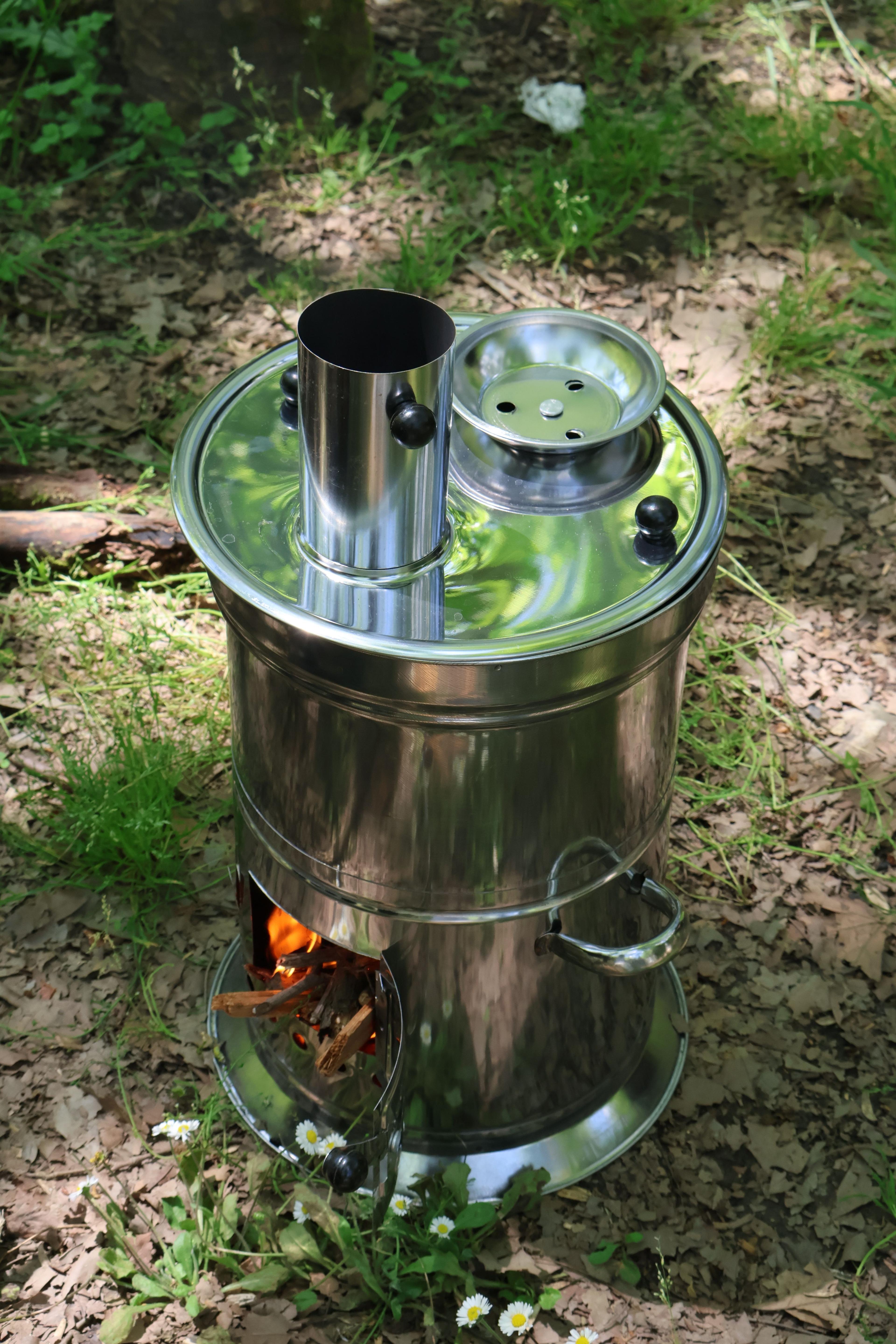
Across rural Zambia, over 80% of households rely on open fires or traditional charcoal stoves for daily cooking. This practice drives rapid localized deforestation and introduces severe indoor air pollution that disproportionately impacts women and children.
Community-Led Distribution Models
Rather than introducing centralized distribution centers, our program works directly through existing community cooperatives. Local artisans are trained in assembly, maintenance, and thermal efficiency management.
By embedding maintenance capacity directly within rural villages, cookstove adoption rates remain over 92% after 12 months, ensuring sustained environmental and health benefits.
“Thermal efficiency is not just an environmental metric—it directly translates to hours saved daily on wood collection for rural households.”
Measurable Environmental & Economic Impact
High-efficiency thermal units reduce total household wood fuel consumption by up to 55%. This reduction directly decreases pressure on surrounding forest canopies while lowering household energy expenditure.
Furthermore, reduced smoke emissions lead to immediate indoor air quality improvements, aligning community health directly with land conservation goals.
Conclusion
Expanding clean cooking access represents one of the most immediate, scalable interventions for slowing rural deforestation while improving daily household wellbeing.
Share or discuss this article
Reach out to learn more about field research and collaboration options.